
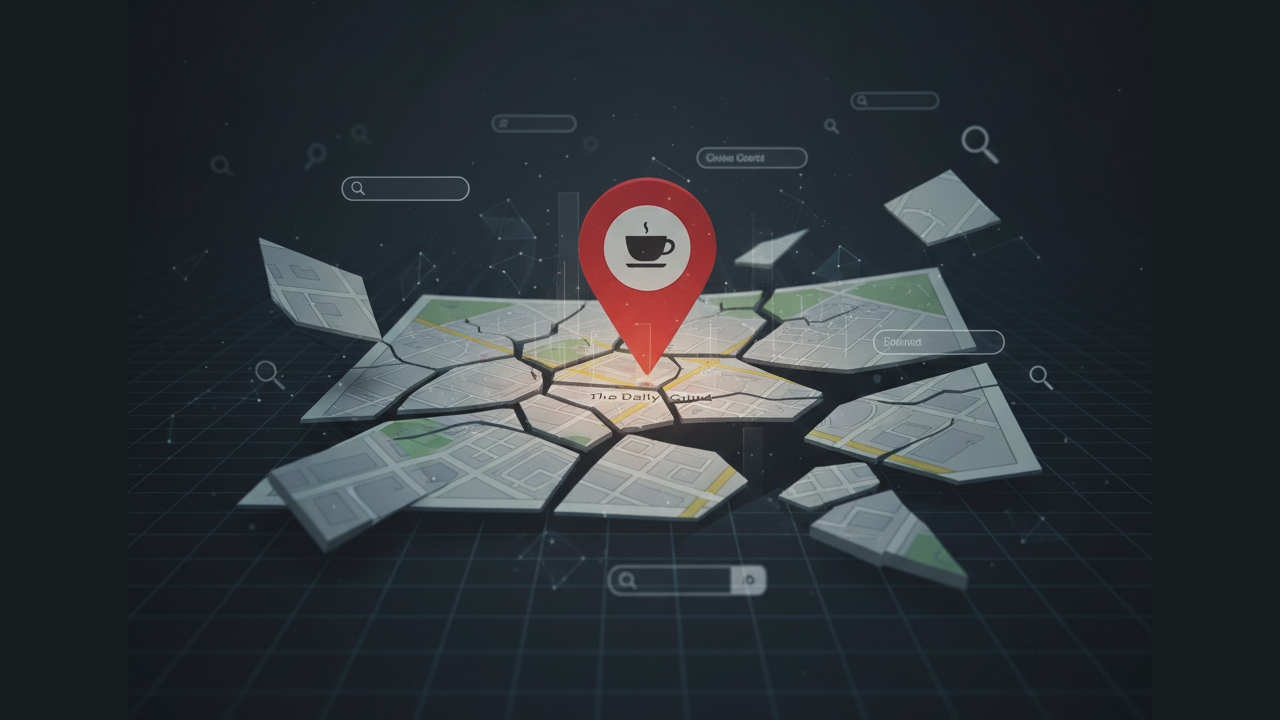
“Near Me” Marketing Is Dead. Local Businesses Just Haven’t Accepted It Yet.
For years, local marketing was lazy and it worked.
- Add your city name in the footer.
- Create a Google Business Profile.
- Wait for calls.
That system is finished.
In 2026, Google and AI-driven search tools like ChatGPT and Perplexity do not reward proximity alone. They reward relevance, technical strength, and proof of local authority.
Google’s Shift Toward Neighborhood-Level Results
If your business is not showing in the Map Pack or being recommended by AI search results, you are not losing rankings. You are losing buyers to competitors who understand how modern local search actually works.
At LeftCliq, we do not sell “standard SEO.” We build systems that win local markets.
Here is why most local strategies fail and what replaces them.
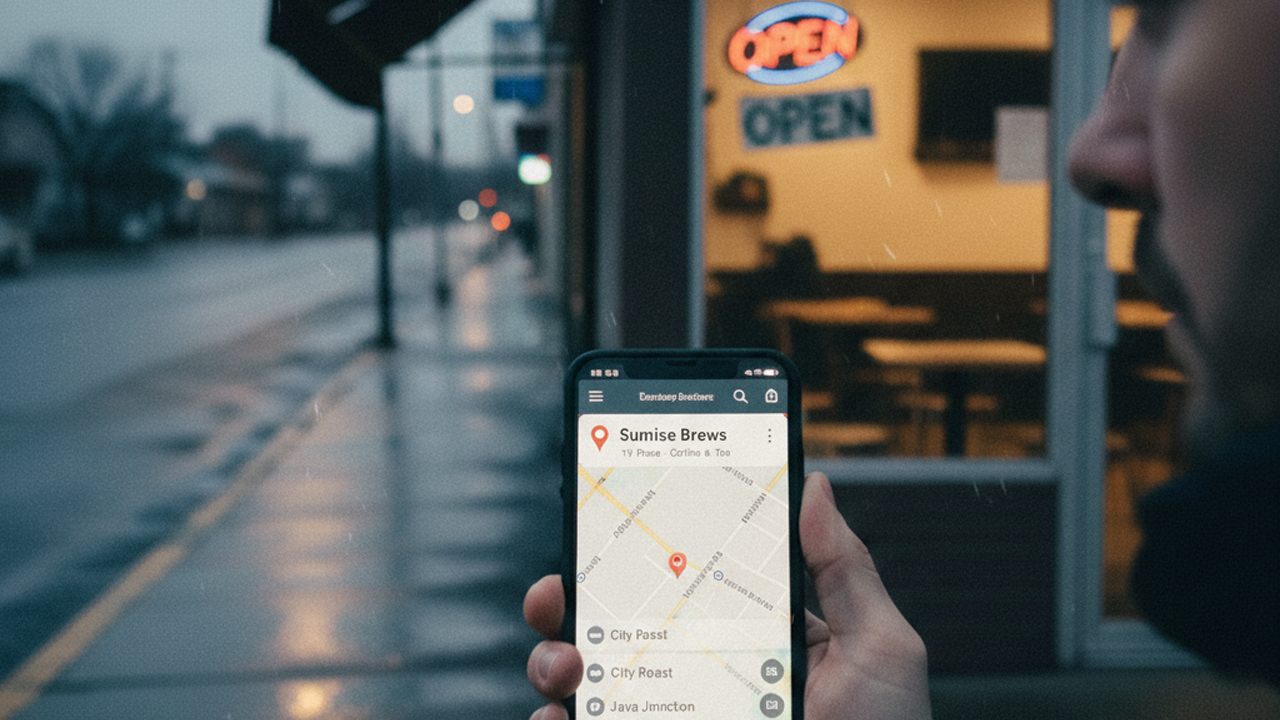
1. Proximity No Longer Wins. Authority Does.
Business owners still believe being closer means ranking higher.
That belief is outdated.
Google now ranks entities, not addresses.
If a competitor is five miles away but has:
- A faster mobile site
- Cleaner structure
- Better engagement
- Strong local signals
They will outrank you in your own area.
We saw this with Tricity Property Guru. Their issue was not backlinks or content volume. It was user experience. After improving site speed, layout, and flow, session duration increased by 5.2x.
Google read that behavior as trust.
Result: they started dominating local real estate searches against older and better-known agencies.
The takeaway is simple.
Longevity does not beat logic.
If users struggle on your site, Google stops sending them.
2. Technical Friction Kills Local Leads Before SEO Even Starts
Local search users are impatient. They are on mobile. They want answers fast.
If your site takes more than 2 – 3 seconds to load, your SEO strategy is already broken.
This is technical friction. Most agencies ignore it because it requires real work. They push blogs instead because blogs are easy to sell.
When we audited Exact Housing, the problem was not visibility. It was technical weight. Bloated code, oversized images, and poor mobile handling were suppressing rankings.
After fixing performance and structure, search visibility grew by 1,000%. Local SEO is a race. You cannot win it with a heavy website.
If your agency is not actively tracking Core Web Vitals like LCP, FID, and CLS, it is not doing serious SEO.
3. Generic Content Does Not Work Anymore
AI search engines can now tell the difference between expertise and filler.
If your website publishes content like: “Why buying property is a good investment, You are invisible.
Winning in 2026 requires hyper-local content that proves real-world knowledge.
That means:
- Talking about specific neighborhoods, not cities
- Explaining local zoning issues or pricing patterns
- Referencing landmarks, traffic flow, or community events
- Publishing real case work from specific locations
This approach worked for Omaha Fares. We did not chase broad keywords. We mapped exact user intent and built pages that answered real questions.
The result was over 3,500 organic leads.
You either position yourself as a local authority or you get filtered out.

4. The 2026 Local SEO Reality Check
If you want to know whether your current agency is delivering value, measure it against this.
Phase 1: Infrastructure
Core Web Vitals
Largest Contentful Paint must be under 2.5 seconds on mobile.
Local Schema Markup
Proper JSON-LD defines your business type, location, hours, and service area. This is how AI systems understand who you are.
NAP Consistency
Your business name, address, and phone must match everywhere. One mismatch weakens trust.
Phase 2: Search Intent
Neighborhood-Specific Pages
One services page is lazy. High-value areas need their own pages.
Problem-Based Proof
“How we solved moisture issues in Sector 17 homes” beats any generic advice article.
Geographic Image Context
Images must describe real locations, not stock placeholders.
Phase 3: Authority Signals
Local Citations
Real directories, chambers, and associations. Not spam links.
Link Strategy
We follow the Aqualine Saunas approach. Build authority where competitors cannot easily copy or buy it.
5. If You Do Not Own Your Data, You Are Renting Your Business
Google is not your asset. AI platforms are not your asset. Your customer data is.
Most local businesses rely entirely on map listings and calls. That is fragile. One algorithm change can wipe out leads overnight.
Our systems are built to move users off search platforms and into first-party systems. Forms, CRM tracking, and lead pipelines that turn one search into a long-term asset.
Traffic without ownership is a wasted opportunity.
The Bottom Line
Most agencies sell comfort. We sell outcomes. Impressions do not pay salaries. Rankings do not close deals.
Cost per lead does.
If your agency has never discussed site performance, schema, or technical audits in detail, it is not managing SEO. They are managing expectations.